
Enhance Business Security with Advanced Surveillance Systems
- Adrian Tregent

- Sep 2, 2025
- 4 min read
In today’s fast-paced world, protecting your business assets is more important than ever. Theft, vandalism, and unauthorized access can cause significant financial and reputational damage. Investing in advanced business security systems is a smart way to safeguard your property, employees, and customers. These systems provide real-time monitoring, deterrence, and evidence collection, helping you maintain a secure environment.
Why Invest in Business Security Systems?
Business security systems are designed to protect your premises from various threats. They include a range of technologies such as alarms, access control, and surveillance cameras. Here are some key reasons why investing in these systems is essential:
Prevent Theft and Vandalism: Visible security cameras and alarms deter criminals from targeting your business.
Enhance Employee Safety: Security systems help monitor workplace safety and respond quickly to emergencies.
Monitor Operations: Surveillance can help ensure employees follow protocols and improve productivity.
Gather Evidence: Recorded footage can be crucial for investigations and insurance claims.
Remote Access: Modern systems allow you to monitor your business from anywhere using smartphones or computers.
For example, a retail store equipped with cameras and alarms can reduce shoplifting incidents significantly. Similarly, warehouses with access control systems can restrict entry to authorized personnel only, minimizing internal theft.

Key Components of Effective Business Security Systems
To build a comprehensive security setup, it’s important to understand the main components that work together to protect your business:
1. Surveillance Cameras
Surveillance cameras are the backbone of any security system. They provide continuous monitoring and record activities around your premises. There are different types of cameras to suit various needs:
Dome Cameras: Ideal for indoor use, offering a wide field of view.
Bullet Cameras: Suitable for outdoor use with long-range capabilities.
PTZ Cameras: Pan, tilt, and zoom features allow flexible monitoring.
Thermal Cameras: Detect heat signatures, useful in low-light or no-light conditions.
2. Alarm Systems
Alarms alert you and authorities when unauthorized access or suspicious activity is detected. They can be triggered by motion sensors, door/window contacts, or glass break detectors.
3. Access Control
Access control systems restrict entry to certain areas using keycards, biometric scanners, or PIN codes. This limits access to sensitive zones and tracks who enters and exits.
4. Monitoring and Response
Many businesses opt for professional monitoring services that watch the system 24/7 and dispatch emergency responders if needed. Alternatively, owners can monitor their systems remotely via mobile apps.
5. Integration and Automation
Modern security systems integrate with other business technologies such as lighting, fire alarms, and building management systems. Automation can trigger lights or alarms based on specific events, enhancing security.
By combining these components, businesses can create a layered defense that addresses multiple security challenges.
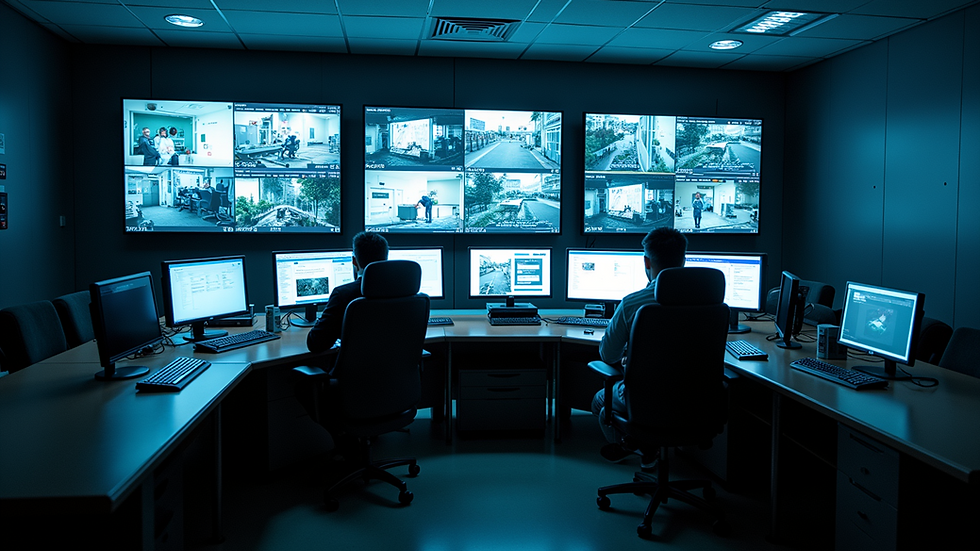
What is the difference between a security camera and a surveillance camera?
Understanding the distinction between security cameras and surveillance cameras helps in choosing the right equipment for your business.
Security Cameras: These are primarily designed to deter crime and provide evidence after an incident. They are often visible and placed in strategic locations to discourage unauthorized behavior.
Surveillance Cameras: These cameras focus on continuous monitoring and observation. They may be hidden or less conspicuous and are used to gather detailed information over time.
While the terms are often used interchangeably, the key difference lies in their purpose and placement. Security cameras are more about prevention and immediate response, whereas surveillance cameras emphasize ongoing observation and data collection.
For example, a security camera might be installed at the main entrance to deter break-ins, while surveillance cameras could be used inside a warehouse to monitor employee activity and inventory.
How to Choose the Right Video Surveillance Systems for Your Business
Selecting the right video surveillance systems can be overwhelming given the variety of options available. Here are practical tips to guide your decision:
Assess Your Business Needs
Size and Layout: Larger properties require more cameras and coverage.
Risk Level: High-risk areas like cash registers or storage rooms need focused surveillance.
Lighting Conditions: Choose cameras with night vision or thermal imaging for low-light areas.
Indoor vs. Outdoor: Outdoor cameras should be weatherproof and vandal-resistant.
Consider Technology Features
Resolution: Higher resolution cameras provide clearer images.
Field of View: Wide-angle lenses cover more area but may reduce detail.
Connectivity: Wired systems offer reliability, while wireless systems provide flexibility.
Storage: Decide between local storage (DVR/NVR) or cloud-based solutions.
Smart Features: Motion detection, facial recognition, and AI analytics can enhance security.
Budget and Scalability
Determine your budget but avoid compromising on essential features.
Choose systems that can be expanded as your business grows.
Professional Installation and Support
Hire certified professionals for installation to ensure optimal camera placement and system configuration.
Opt for vendors offering ongoing maintenance and technical support.
By carefully evaluating these factors, you can select a surveillance system that fits your business requirements and budget.

Best Practices for Maintaining Your Business Security Systems
Installing advanced security systems is just the first step. Proper maintenance ensures they function effectively over time. Here are some best practices:
Regular Inspections: Check cameras, alarms, and sensors for damage or malfunction.
Clean Lenses: Dust and dirt can obscure camera views; clean lenses periodically.
Update Software: Keep firmware and software up to date to protect against vulnerabilities.
Test Alarms: Conduct routine tests to ensure alarms trigger correctly.
Review Footage: Periodically review recorded footage to identify any blind spots or issues.
Train Staff: Educate employees on security protocols and how to respond to alerts.
Implementing these practices helps maintain a reliable security system that continues to protect your business effectively.
Enhancing Security Beyond Technology
While technology plays a crucial role, combining it with human vigilance and policies strengthens your security posture:
Access Policies: Define who can access different areas and enforce strict entry controls.
Visitor Management: Log and monitor visitors to prevent unauthorized access.
Lighting: Well-lit areas reduce hiding spots and improve camera visibility.
Signage: Display signs indicating the presence of surveillance to deter potential criminals.
Emergency Plans: Develop and communicate clear procedures for responding to security incidents.
By integrating technology with sound security practices, businesses can create a safer environment for everyone.
Investing in advanced business security systems is a proactive step toward protecting your assets and ensuring peace of mind. With the right combination of technology, maintenance, and policies, you can create a secure environment that supports your business’s success and growth.


Comments